In an electric motor, the relationship between the magnetic flux and the excitation current follows the magnetization curve. In the initial stage, the magnetic flux changes linearly with the excitation current, but when the magnetic flux reaches a certain level, the magnetic circuit saturates, and the magnetic flux grows slowly after further increasing the excitation current. The inverter realizes voltage and speed control through pulse width modulation, and its output voltage is regulated by changing the series pulse wave of the duty cycle.
The relationship between magnetic flux and excitation current
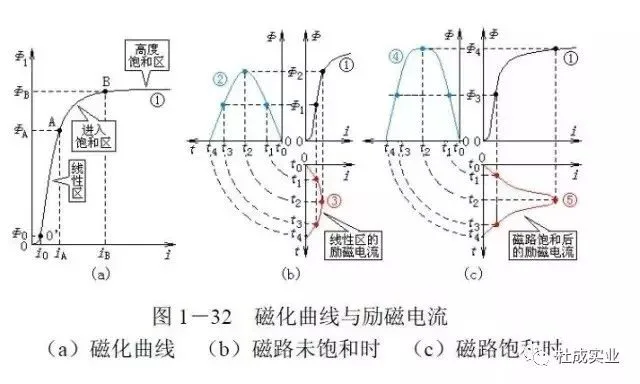
In an electric motor, the relationship between the magnetic flux and the excitation current follows the magnetization curve. In the initial stage, the magnetic flux changes linearly with the excitation current, but when the magnetic flux reaches a certain level, the magnetic circuit saturates, and the magnetic flux grows slowly after further increasing the excitation current.
The principle of frequency conversion and voltage regulation
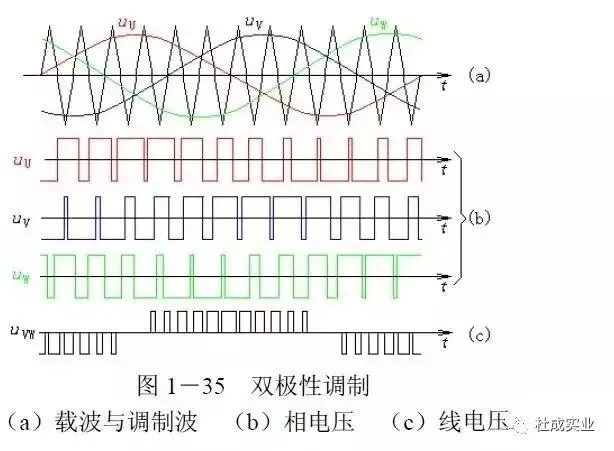
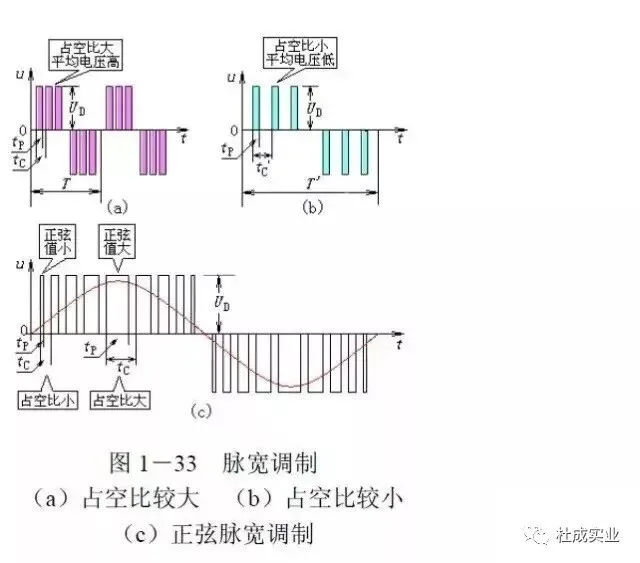
The frequency converter realizes voltage and speed adjustment through pulse width modulation, and its output voltage is adjusted by changing the series pulse wave with different duty cycles.