
Explore industrial electrical services for VFD lifecycle management. Learn how on-site reconditioning and structured maintenance prevent unplanned downtime.
A critical variable frequency drive trips halfway through a continuous production run. The motor stops, upstream material backs up, operators start asking when the line can restart, and maintenance has only partial information: a fault code, a warm cabinet, and a production window that keeps shrinking. The immediate question isn't how to repair the drive. It's whether the safest recovery is on site, in a workshop, or through replacement.
That decision belongs inside a broader industrial electrical services strategy. VFDs operate in environments where heat, dust, oil mist, salt, vibration, and unstable operating conditions can turn a small defect into a plant-wide interruption. The plants that recover predictably don't rely on emergency heroics alone. They maintain a clear lifecycle plan for commissioning, troubleshooting, preventive care, reconditioning, and eventual renewal.
Table of Contents
- The Reality of Industrial Drive Reliability
- Physical Enemies of Power Electronics
- Mapping Services to the Asset Lifecycle
- Choosing Between On-Site and Workshop Repair
- The Limits of Pure Predictive Maintenance
- Credentials and Regional Response Capabilities
- Auditing Your Current Drive Service Strategy
The Reality of Industrial Drive Reliability
The failed drive usually gets attention only after production stops. Before that moment, the asset may have been giving warnings for months: a cooling fan running continuously, filters loaded with dust, nuisance trips during warm periods, or a cabinet that no longer maintains the intended airflow. By the time the operator sees a hard fault, the underlying problem may involve several interacting failures rather than one replaceable component.
That pattern explains why industrial electrical services are tied to more than electrical continuity. They support uptime, personnel safety, process stability, and the service life of installed equipment. A drive that gets diagnosed correctly during a planned window can often be managed differently from a drive that fails under load in the middle of a continuous process.
The broader market reflects this operational reality. One market estimate places the global electrical services market at USD 264.36 billion in 2025, with a projection of USD 280.5 billion in 2026 and USD 358.71 billion by 2030, implying a 6.3% CAGR from 2026 to 2030. The same electrical services market estimate identifies maintenance and repair as nearly 40% of total market revenue in 2024, while its industrial segment estimate reaches about USD 224 billion in 2024 and projects growth at 9.7% through 2030.
Installed assets create recurring work
Plants don't replace every aging drive at the first sign of trouble. Replacement can require engineering review, mechanical modification, control-system changes, commissioning, operator training, and a carefully managed outage. Lifecycle service is often the lower-risk way to keep an installed asset productive while the plant evaluates a longer-term upgrade.
VFDs illustrate the scale of that installed base. The global VFD market was valued at USD 21.9 billion in 2024, estimated at USD 23 billion in 2025, and projected to reach USD 33.3 billion by 2034, according to this VFD market analysis. Another estimate places the market at USD 23.85 billion in 2025 and projects USD 40.97 billion by 2034, with a 6.09% CAGR, showing that the exact market boundary varies while demand remains substantial.
For plant managers, the practical conclusion is straightforward: a drive failure is a lifecycle decision, not just a repair ticket. The service provider must understand the asset's duty, environment, failure history, spare-part position, and restart consequences before recommending action.
Practical rule: Never decide between repair and replacement from the fault code alone. Decide after confirming the failure mode, contamination condition, transport risk, restart requirements, and remaining value of the drive.
Physical Enemies of Power Electronics
Power electronics fail for physical reasons. Heat raises component stress. Contamination restricts cooling and can create conductive paths. Aging capacitors lose performance. Fans wear out, filters clog, and loose power connections generate localized heating. Treating these conditions as housekeeping issues is how plants end up paying for emergency recovery.
A VFD cabinet is a thermal system as much as it is an electrical system. Cooling fans move air through filters and heat sinks, while the enclosure must release the heat generated by switching devices, capacitors, resistors, and auxiliary components. If dust, oil mist, carbon black, or salt deposits restrict that path, the drive may continue operating while its internal temperature margin steadily disappears.
Heat shortens the life you planned for
The most important relationship is between temperature and capacitor aging. Maintenance guidance commonly uses the rule of thumb that each 10°C increase above rated temperature roughly halves capacitor life, as summarized in variable-speed-drive maintenance guidance. That isn't a reason to calculate an exact replacement date from temperature alone. It is a reason to treat abnormal heat as an accelerated-aging condition.
A failed fan, dirty heat sink, blocked filter, or poorly ventilated cabinet can push a drive into thermal stress long before an alarm becomes persistent. Electrolytic DC bus capacitors are particularly important because their degradation can affect ripple current, bus stability, nuisance tripping, and the health of downstream power components.
Contamination is an electrical reliability problem
In a steel plant, carbon black and conductive dust can settle in places that routine visual cleaning misses. In coastal or chemical environments, salt mist and corrosive deposits can attack terminals, boards, bus structures, and cooling surfaces. Oil mist can bind with dust and form a stubborn insulating layer on heat sinks, while moisture can turn contamination into a leakage or tracking risk.
A superficial wipe-down doesn't prove that the cabinet is clean enough. Technicians should inspect air paths, fan bearings, filters, heat sinks, terminal areas, board surfaces, and signs of corrosion. They should also determine whether the enclosure's sealing, pressurization, or filtration arrangement still suits the actual environment.
A sound preventive program records:
- Operating hours: Use runtime to interpret fan wear, capacitor age, and service intervals.
- Fault history: Separate recurring trips from isolated events and preserve the conditions around each trip.
- Thermal condition: Record cabinet and drive temperatures under representative load, not only during a cool shutdown.
- Airflow condition: Verify fan operation, filter loading, heat-sink cleanliness, and the direction of air movement.
- Connection integrity: Check torque on power terminals and inspect for discoloration or heat damage.
- Component indicators: Track capacitor condition and other wear-related signals so replacement can be planned.
Annual inspection alone rarely controls a harsh environment. The interval should reflect contamination exposure, duty cycle, thermal loading, and the consequence of failure. A drive in a clean, lightly loaded application and a drive beside a carbon-black process shouldn't receive the same maintenance treatment.
Mapping Services to the Asset Lifecycle
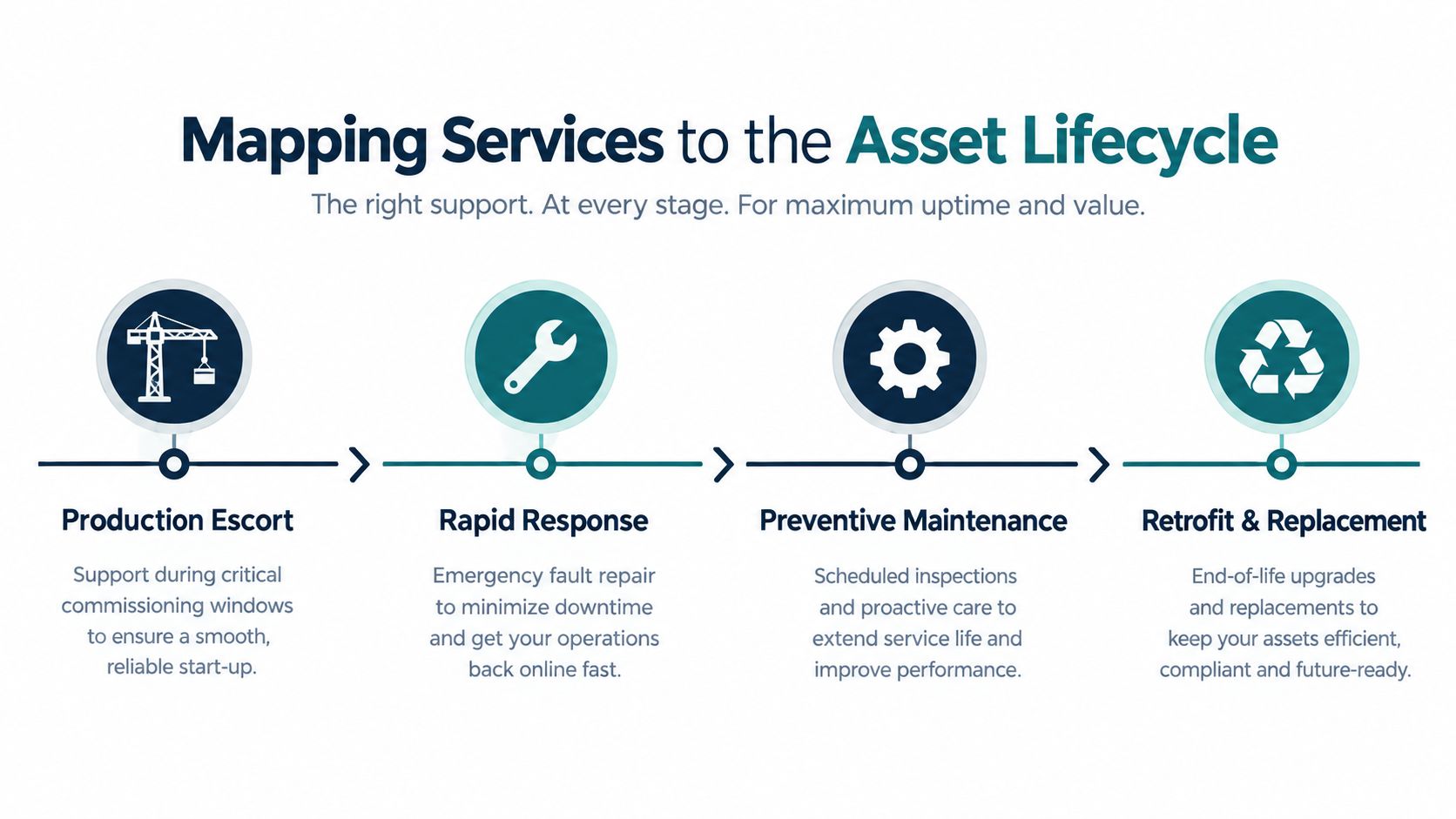
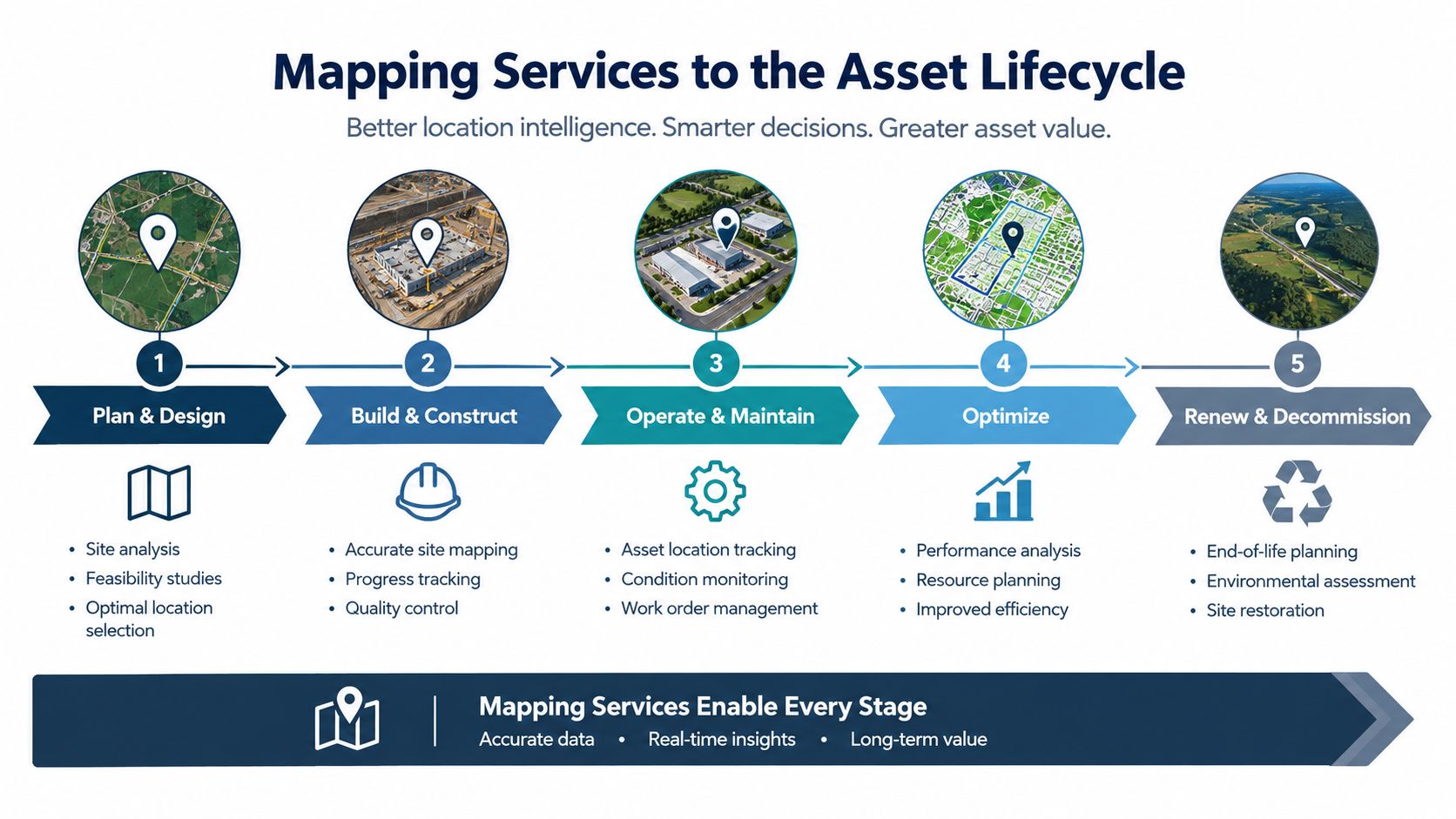
The strongest service model follows the drive through its actual operating life. Commissioning work establishes a reliable baseline. Emergency response protects the restart. Preventive care controls known degradation mechanisms. Workshop repair and on-site reconditioning address deeper faults. Upgrade assessment determines whether the existing architecture still makes operational sense.
Start with a controlled baseline
During commissioning, a service team should verify more than basic rotation. It should confirm motor and drive data, acceleration and deceleration behavior, protections, feedback signals, bypass arrangements, interlocks, load response, and the conditions required for a controlled restart. The team should record the baseline values and hand them to operations and maintenance rather than leaving them in a commissioning file that nobody consults later.
A Production Escort is useful when a line has a narrow startup window, a critical process transition, or a complex handover between electrical, automation, and operations teams. Standby support doesn't eliminate risk, but it gives the plant a defined escalation path when the drive behaves differently under real production load.
The asset record should include:
- The installed drive and motor identification
- Application duty and process consequence
- Protection and trip settings
- Commissioning test results
- Known environmental exposures
- Compatible spare parts and exchange options
- Restart and isolation procedures
A disciplined asset record supports the wider principles described in this guide to industrial asset management, especially the need to connect technical condition with operational consequence.
Respond to faults with evidence
Rapid Restore should begin with safe isolation and evidence preservation. Technicians need the trip state, output frequency, output current, DC bus voltage, drive temperature, recent operating changes, and any abnormal sound, odor, or visible damage. Resetting repeatedly without collecting that information can erase useful clues and expose the power stage to further stress.
Fault isolation then separates likely causes. Supply-quality disturbances, overloads, motor or cable faults, blocked cooling, control-signal problems, and internal power-stage damage require different responses. A controlled restart follows only after the team understands what the restart is expected to prove and what conditions require an immediate stop.
Use the right repair path
Deep Repair belongs in a workshop when the drive requires disassembly, bench diagnostics, component-level repair, controlled testing, or access to specialized equipment. It can provide a clean environment for detailed inspection and functional testing, particularly when the plant has no suitable location for sensitive electronics work.
Preventive Care belongs in planned shutdowns. Technicians can clean contamination, inspect thermal paths, verify terminals, review fault history, test relevant components, and identify parts that should be sourced before the next outage. That work is more valuable when the findings are tied to operating hours and actual failure patterns rather than a generic checklist.
Late-life decisions should remain selective. A serviceable subsystem may justify renewal or retrofit while the rest of the drive remains viable. Full replacement makes more sense when the failure risk, obsolescence, support limitations, or process requirements outweigh the value of continued repair.
The supplied lifecycle visual summarizes this progression from planning and commissioning through recovery, maintenance, and end-of-life action.
A service record should close the loop after every intervention. Record the cause, evidence, parts, test results, restart conditions, and follow-up action. Without that record, the next technician starts from zero and the plant repeats the same failure investigation.
Choosing Between On-Site and Workshop Repair
A medium- or high-voltage drive can be technically repairable but operationally unsuitable for transport. Its weight, dimensions, lifting requirements, contamination level, and connection complexity all affect the risk of an off-site repair. The cheapest quoted repair isn't necessarily the lowest-cost recovery once removal, packing, transport, workshop queue time, reinstallation, testing, and restart uncertainty are included.
On-site Blue Reconditioning is generally attractive when the drive is large, the outage window is short, the failure is diagnosable in place, and the site can provide a controlled work area. Workshop repair is more appropriate when the unit needs extensive disassembly, specialized bench testing, or a clean environment that the plant can't provide.
Compare the decision factors
| Decision Factor | On-Site Blue Reconditioning | Off-Site Workshop Repair |
|---|---|---|
| Transport risk | Avoids removal, packing, road movement, and lifting of a large drive | Requires engineered removal, protection, transport, and return logistics |
| Contamination exposure | Allows technicians to inspect and address the actual plant environment in place | Provides a cleaner repair environment, but the original contamination cause remains at the plant |
| Outage window | Can fit work into a planned shutdown when access and parts are ready | Adds transport, queue, repair, return, installation, and recommissioning stages |
| Diagnostic scope | Strong for structured fault isolation and repair of serviceable subsystems on site | Strong for disassembly, bench diagnostics, component-level repair, and controlled functional testing |
| Restart confidence | Direct knowledge of the installation, motor, cabling, controls, and process conditions | Requires careful handover so workshop findings translate correctly to the installed system |
| Best fit | Large or difficult-to-ship drives, urgent recovery, known fault areas, and controlled site access | Extensive internal damage, specialist testing requirements, or unsuitable site conditions |
| Main limitation | Site conditions, safety controls, tools, and replacement parts may restrict the scope | Logistics can extend downtime and expose the project to transport or handling failures |
Make the choice with a risk screen
Ask five questions before authorizing removal:
- What failed, and how well is the failure mode established? A vague trip with no supporting measurements isn't a strong basis for either repair path.
- Can the site provide safe working conditions? Medium- and high-voltage work requires isolation, access control, arc-flash planning, lifting arrangements, and a suitable clean work area.
- How severe is contamination? If dust, salt, oil, or moisture has reached internal assemblies, the scope may exceed what can be completed reliably in place.
- What does the restart window allow? A workshop may offer better bench access but create a longer chain of dependencies before the line can run.
- What is the value of remaining serviceable equipment? If the frame, cooling system, controls, and mechanical interfaces remain suitable, selective reconditioning may be more rational than replacing the whole unit.
A structured VFD repair service workflow should answer these questions before the drive moves. Shipping first and diagnosing later transfers risk into logistics without proving that logistics is necessary.
The correct repair location is the one that minimizes total recovery risk, not the one that makes the repair invoice look smallest.
For a plant with a large MV drive beside a contaminated process, on-site work may avoid the highest-risk steps. For a smaller drive with severe internal damage and no clean site workspace, a workshop may provide better control. The decision should be documented with the fault evidence, outage constraints, contamination assessment, and replacement comparison.
The Limits of Pure Predictive Maintenance
Predictive maintenance is valuable, but it doesn't make field diagnosis obsolete. A dashboard can identify an abnormal temperature, fan runtime, filter condition, or trend in operating behavior. It can't safely isolate a high-voltage drive, inspect a contaminated board, verify a loose connection, confirm a motor-cable condition, or authorize a controlled restart.
The operational mistake is treating predictive maintenance as an automatic answer. Plants sometimes collect large volumes of signals without defining what action follows an alert. Poor sensor placement, inconsistent data, missing operating context, and weak maintenance discipline can turn a monitoring program into another source of unworked notifications.
Use monitoring to improve decisions
Condition monitoring works best as a decision-support layer for skilled reliability and field teams. It should help answer practical questions:
- Is the cooling system degrading under normal load?
- Did the temperature rise follow filter loading or a change in process duty?
- Does the fault correlate with a supply disturbance, overload, or mechanical event?
- Is the asset showing a pattern that justifies planned inspection?
- Can the team prepare parts and access before the next shutdown?
Technical guidance and industrial electric-machine research describe approaches such as transient analysis, stray-flux monitoring, and prognostic algorithms for improving maintenance decisions. In the field, those methods become useful only when technicians combine them with the drive's trip state, output frequency, output current, DC bus voltage, drive temperature, and recent operating history.
Build the minimum useful workflow
Start with signals that affect a known failure mechanism. Thermal data is useful when the plant understands the normal load and ambient conditions. Fan and filter information matters when technicians have a defined inspection and replacement response. Fault history matters when operators preserve the conditions around each event rather than just clearing the alarm.
A practical workflow looks like this:
- Detect the abnormal condition.
- Validate the signal against operating context.
- Inspect the physical asset and surrounding installation.
- Capture electrical evidence before resetting.
- Classify the likely failure path.
- Choose on-site recovery, workshop repair, or replacement.
- Verify the controlled restart and record the result.
The predictive-maintenance market is projected to grow from USD 17.5 billion in 2026 to USD 98.1 billion by 2033, according to this predictive maintenance market outlook. That projection signals strong interest, not proof that every plant is ready for a pure analytics strategy.
Field reality: A useful alert changes what a technician does next. If it doesn't trigger an inspection, test, work order, or planned intervention, it is only information.
For harsh environments, combine thermal checks, contamination control, power-quality review, structured fault isolation, and selective monitoring. IoT can extend the team's visibility. It can't replace competent commissioning, safe isolation, hands-on inspection, or controlled restart procedures.
Credentials and Regional Response Capabilities
A generic repair capability isn't enough for a critical drive fleet. Plant teams need a service partner that can work across the voltage classes and brands installed, understand the associated auxiliaries, and explain its diagnostic method before recommending a repair. The provider should be able to distinguish a component failure from an installation problem, because replacing a power module without correcting the cause invites a repeat outage.
Check technical depth before availability
Ask potential providers for evidence of:
- Multi-brand capability: Confirm that the team can support the installed drive families, controls, cooling arrangements, and auxiliaries rather than only one product range.
- Documented diagnostics: Require a fault-isolation process that records measurements, inspection results, repair scope, and test outcomes.
- Voltage-class experience: Verify competence with low-, medium-, and high-voltage systems where the isolation, access, testing, and restart requirements differ.
- Authorized relationships: Check current manufacturer or product authorization where it matters to warranty, parts, firmware, or technical escalation.
- Reconditioning capability: Establish whether the provider can perform meaningful work on site when removal creates excessive transport or downtime risk.
- Regional logistics: Review emergency contact coverage, technician locations, parts sourcing, exchange-unit verification, and travel arrangements.
Regional proximity matters most when the plant has a short restart window or limited internal coverage. A provider with technicians and logistics close to the operating site can reduce handoff delays, but proximity doesn't compensate for weak methodology. The plant still needs clear escalation rules, safety documentation, and a service report that supports future decisions.
The most useful procurement question is not “Can you repair this drive?” It is “Show us how you'll determine whether this drive should be recovered on site, moved to a workshop, or replaced.” That question reveals whether the provider understands lifecycle economics or just sells a predefined repair route.
A strong agreement should define response channels, site access requirements, evidence to capture during a trip, parts approval, test procedures, restart authority, and post-work documentation. It should also state how the provider handles uncertain findings. A cautious recommendation with explicit assumptions is more valuable than a confident diagnosis unsupported by measurements.
Auditing Your Current Drive Service Strategy
A service strategy is ready for the next failure when the plant can move from alarm to safe decision without improvising. The audit should test the entire chain, not just whether a spare drive exists. A spare with uncertain compatibility, missing parameters, or no verified installation plan may not provide meaningful resilience.
Review the asset information
Begin with the critical fleet. Identify which drives can stop a line, damage upstream or downstream equipment, create a safety concern, or block a restart sequence. For each asset, confirm that the record contains the motor data, application duty, protection settings, control interfaces, environmental exposure, fault history, and approved isolation procedure.
Then inspect the physical condition. Look for blocked filters, failed fans, heat discoloration, corrosion, loose or damaged connections, oil residue, dust accumulation, and evidence that the cabinet no longer controls its environment. Compare the actual conditions with the assumptions made during original commissioning.
Test the response path
Run a tabletop failure exercise with maintenance, operations, electrical safety, automation, and procurement. Ask the team to describe what happens after a critical trip.
- Capture evidence: Record the trip state, operating conditions, temperatures, currents, DC bus status, and recent process changes before reset.
- Assign authority: Define who can isolate, who can approve a restart, and who decides between on-site work, workshop repair, and replacement.
- Verify parts: Check identification, compatibility, lead time, storage condition, and pre-dispatch testing for critical spares or exchange units.
- Prepare access: Confirm lifting equipment, clean work space, isolation boundaries, drawings, test instruments, and specialist support.
- Protect the shutdown: Schedule preventive work around contamination removal, cooling inspection, terminal verification, component checks, and functional testing.
- Close the record: Require a cause, action, test result, restart condition, and follow-up task after every intervention.
Convert findings into work
Rank each gap by consequence and ease of closure. A missing fault-history record may be corrected through a procedure and operator training. A contaminated cabinet may require immediate cleaning and an enclosure or filtration review. An obsolete drive with no reliable spare path may need an engineering assessment before the next planned outage.
Use the audit to create a decision sheet for every critical drive. It should state the preferred recovery route, the conditions that would change that route, the parts required, the responsible contacts, and the tests needed before restart. That document turns a stressful failure into an executable response.
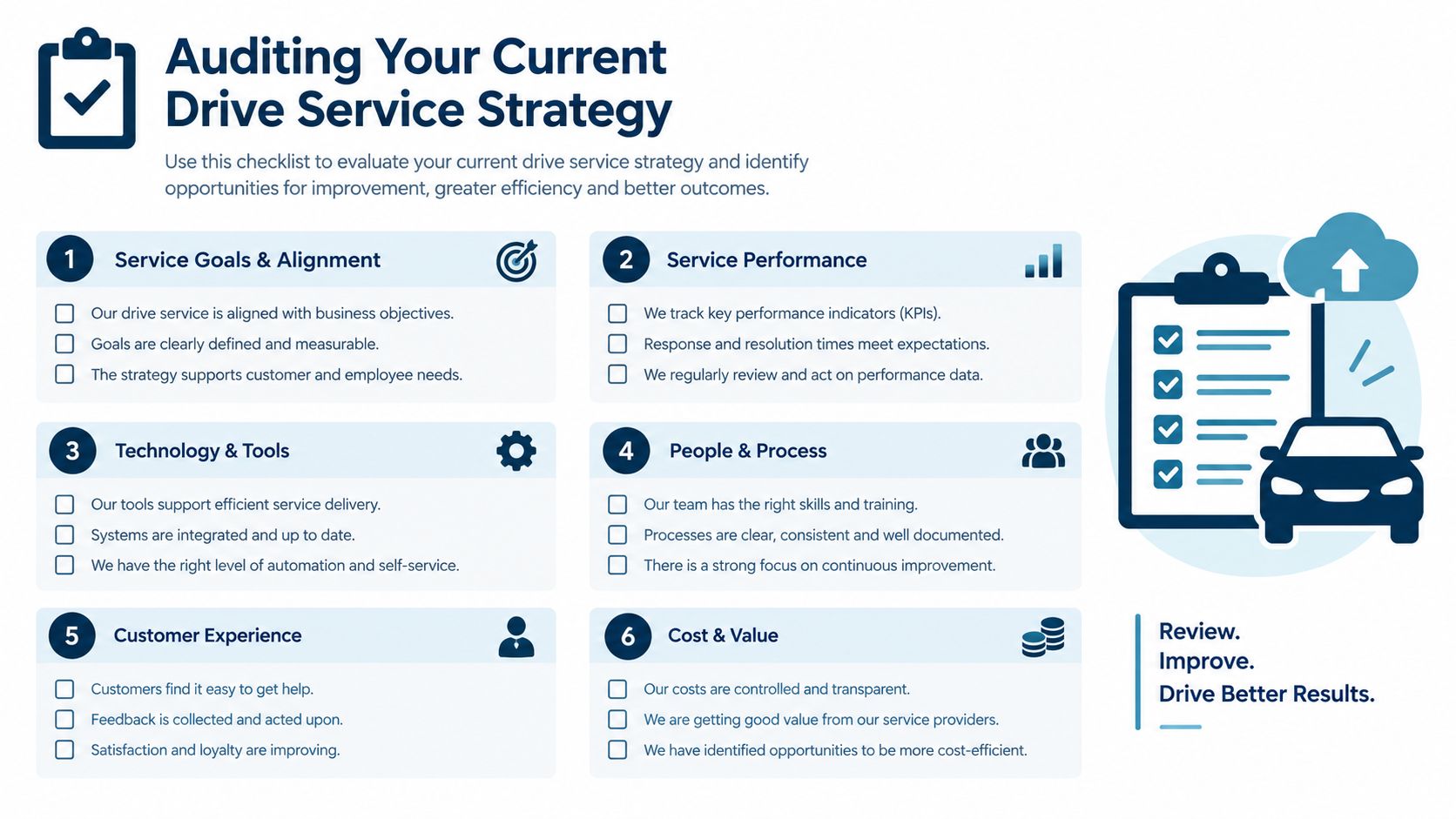
Don't wait for the next catastrophic trip to discover that the workshop route takes too long, the replacement isn't compatible, or the cabinet environment has been accelerating damage. Complete the audit before the next shutdown, assign owners to each gap, and turn the results into funded maintenance and response actions.
DUCHENG Industrial provides multi-brand VFD commissioning, troubleshooting, preventive maintenance, workshop repair, and on-site reconditioning for industrial facilities across China and Southeast Asia. Review its lifecycle electrical services and emergency response options at DUCHENG Industrial before your next drive failure forces a rushed recovery decision.